
National Multi-Stakeholder Follow-Up Meeting on Agro-Ecological Value Web and Cross-Border Trade.

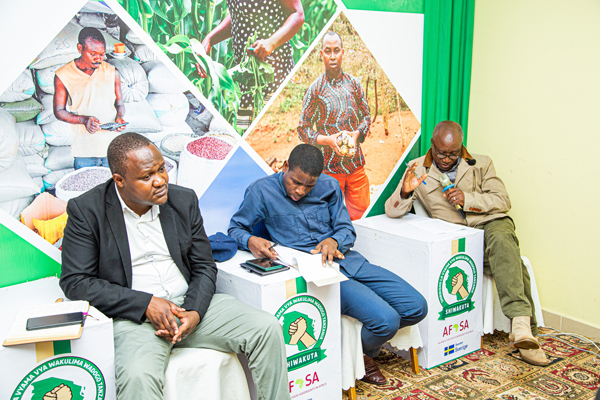
On 15th August 2025, SHIWAKUTA, in collaboration with Alliance for Food Sovereignty (AFSA), hosted a transformative workshop on Cross-Border Trade and Agroecology at the Gold Crest Hotel in Arusha city, bringing together representatives, government officials (National, Regional, and district levels), researchers, CSOs, and media to shape the future of sustainable food systems and fair trade in East Africa.
The workshop was preceded by a presentation on research exploring the challenges hindering the small-scale trade of agro-ecological products in cross-border trade in Tanzania. The presentation was delivered by Mr. Africa Kiiza from the Alliance for Food Sovereignty in Africa (AFSA) headquarters, Kampala, Uganda.
Key challenges highlighted include Non-Tariff Barriers (NTBs), excessive bureaucracy in business formalization, and the lack of streamlined access to permits and approvals from responsible authorities. These hurdles not only slow down trade but also create loopholes for corruption and discourage genuine entrepreneurship, particularly for Tanzanians operating in regional markets.
Through group discussions, participants of the workshop identified several key challenges affecting cross-border trade in the agro-ecological sector, such as policy, Infrastructure, standards, capacity, and market access. The primary objective of the discussions was to explore practical solutions to address these barriers and to promote more effective, inclusive, and sustainable cross-border trade in agro-ecological products.
In addition to identifying challenges, participants also explored existing opportunities to strengthen agro-ecological cross-border trade. Each group later presented its findings, sharing key insights and proposed actions from its deliberations.
Participants boldly noted that Tanzanian entrepreneurs are often left behind compared to their counterparts in Kenya, Uganda, and Rwanda, largely due to unfriendly, rigid, and outdated trade systems. This is a wake-up call: The government must play its role as an enabler, not a gatekeeper.
Moreover, the workshop concluded with six recommendations: SHIWAKUTA, alongside key stakeholders, calls for concrete policy actions to unlock the potential of cross-border trade in agro-ecological products and create a fair, green, and inclusive agricultural economy.
SHIWAKUTA stands firm in its advocacy: We urge the government and relevant institutions to eliminate unnecessary red tape, harmonize trade procedures within the EAC, and create a supportive environment that empowers local traders, rather than frustrating them. A truly inclusive and agroe-cological economy requires fair systems, transparency, and political will. The time for reform is now