

SWGT and SHIWAKUTA Emphasize the Recognition of Farmer-Managed Seeds in a Meeting with the Minister of Agriculture.
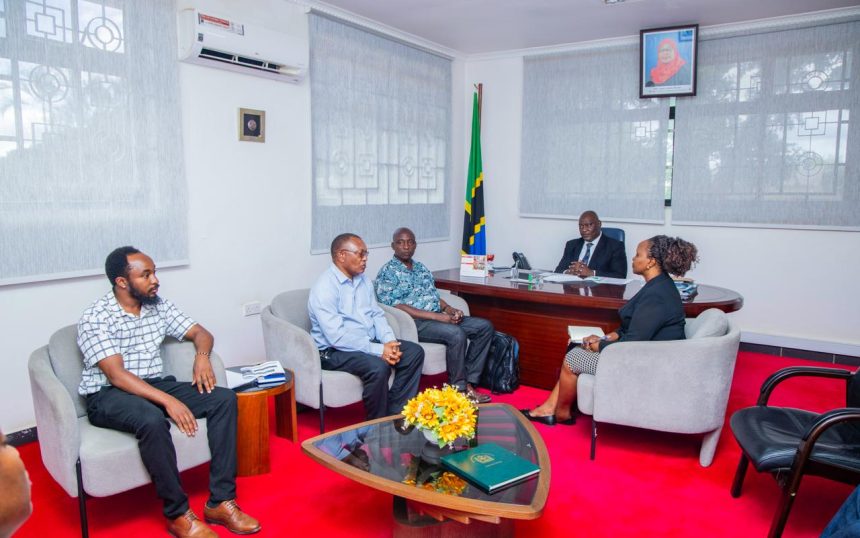
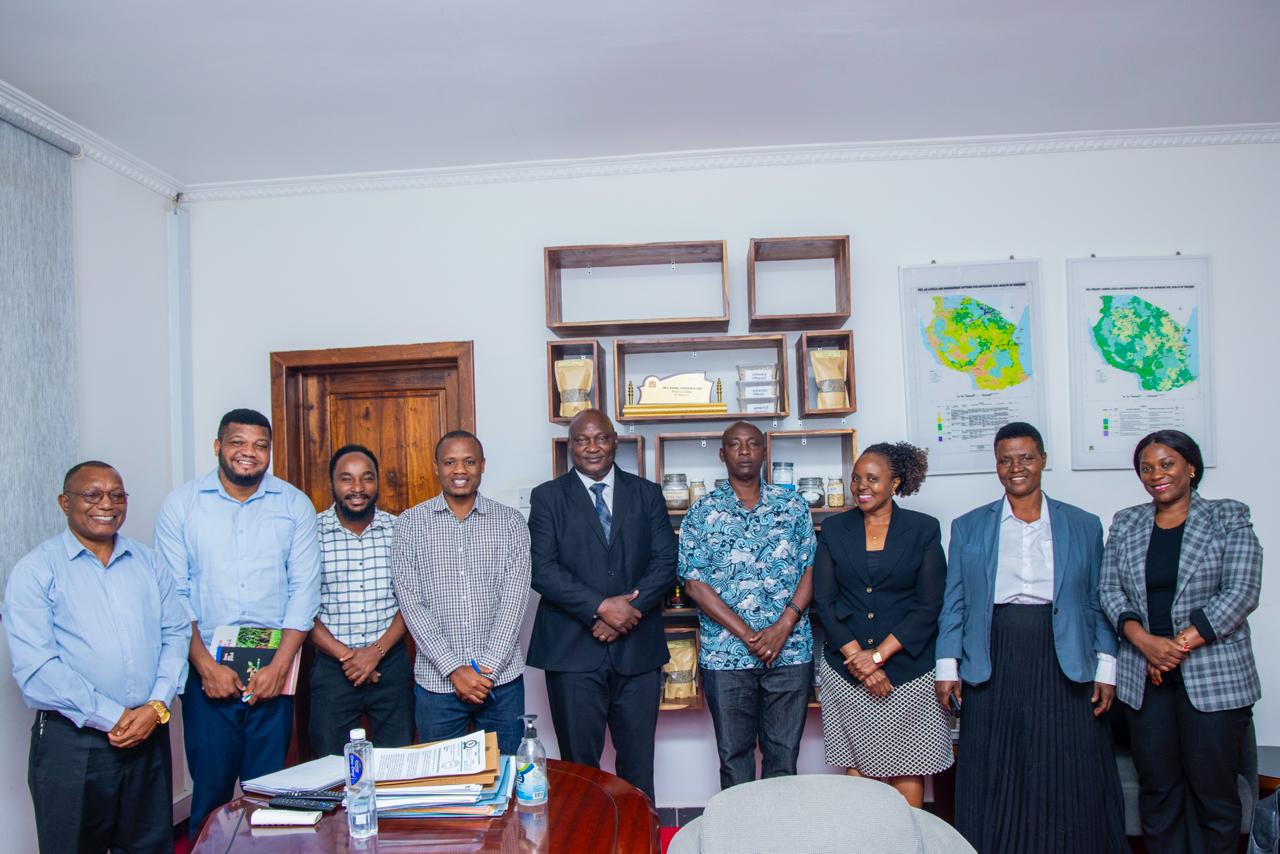
On April 15, 2026, stakeholders from the Seed Working Group Tanzania including SHIWAKUTA (SWGT), while attending working meetings in Dodoma, met with the Minister of Agriculture, Hon. Daniel Chongolo, to discuss effective strategies for recognizing farmer-managed seeds.
During the meeting, the Seed Working Group used the opportunity to brief the Hon.Minister on the various activities being undertaken by SWGT to promote the recognition of farmer-managed seeds in the country.
The agenda, coordinated by SWGT, seeks to ensure that farmers retain the freedom and right to produce, preserve, and exchange their indigenous seeds through a free, inclusive, and sustainable system.
The group emphasized that farmers are the primary custodians of knowledge and information related to farmer Managed Seeds, which play a vital role in ensuring food security and environmental conservation through agroecological farming practices. These seeds significantly contribute to the strengthening of sustainable agricultural systems in the country.
SWT highlighted that smallholder farmers are a key pillar in food production in the country, indicating that Tanzania is self-sufficient in food production and that a large percentage of this production comes from them. It further noted that much of this output is produced by smallholder farmers who rely on indigenous seeds, which are noted for their strong resilience to climate change and pest infestations.

In their recommendations to the Minister of Agriculture, SWGT, led by SHIWAKUTA, called for government support in establishing a formal recognition system for farmer- managed seeds. Such a system will enable the production and marketing of farmer-managed seeds, thereby strengthening food security and advancing sustainable agricultural sovereignty in the country.
The working group also requested the Hon.Minister to support the revitalization and finalization of the National Plant Genetic Resources for Food and Agriculture (NPGRFA) law, a process that has been pending for approximately 18 years. SWGT noted that the completion of this law would facilitate the establishment of a distinct recognition framework for farmer-managed seeds, separate from the current Seed Act.
This initiative is also expected to contribute to the implementation of the International Treaty on Plant Genetic Resources for Food and Agriculture (ITPGRFA).
Beyond national engagement, SWGT has also participated in regional and continental discussions to advance this agenda. One such effort included the participation of its representative, Eliud Letungaa, from SHIWAKUTA in a meeting organized by the East African Community (EAC) Parliament. The meeting discussed the Bill Agroecological Agriculture Law for Africa, presented by the Chairperson of the Agriculture Committee and supported by members present.
During the presentation, the Chairperson emphasized agroecology as a key direction for the future, highlighting its role in protecting agricultural biodiversity, conserving the environment, ensuring food security and sovereignty, and enhancing resilience to climate change. He also stressed the importance of promoting indigenous foods, preserving traditional knowledge, and safeguarding cultural heritage.
Following the session, a representative from the Seed Working Group (SWGT), together with other members, had the opportunity to engage in discussions with the Chairperson. During these discussions, they commended him for his insightful and constructive presentation, while also emphasizing the critical importance of seed sovereignty and the recognition of indigenous seeds. In response, the Chairperson assured them that the matter would be duly considered and addressed, including being reinforced through the relevant regulations.
SHIWAKUTA, a member of the Seed Working Group Tanzania (SWGT), continues to play a significant role in amplifying the voices of smallholder farmers and in informing farming communities at both national and regional levels about the progress of establishing the Farmer Managed Seed System (FMSS)
Furthermore, this system will empower smallholder farmers to recognize, strengthen, and actively participate in farmer-led seed systems, thereby promoting inclusiveness, fairness, and long-term sustainability. It will also enhance food sovereignty by establishing a strong legal framework that enables Tanzania to effectively govern, protect, and sustainably manage its seed resources for both present and future generations.
Likewise, it will strengthen policy coherence by aligning national laws with international agreements, thereby improving governance and enhancing accountability within the seed sector.
This meeting was not just an ordinary gathering, but a continuation of renewed momentum, shared commitment, and national responsibility. Given the importance of this issue, we must take decisive action now to safeguard the future of our seeds and food systems.