
Policy Consultative Meeting between SHIWAKUTA and the Ministry of Livestock and Fisheries
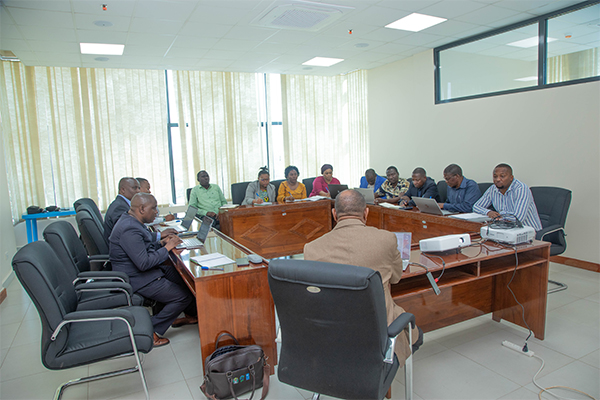
As part of the ongoing SHIWAKUTA–AFSA collaboration to advance the campaign for Agroecological Entrepreneurship (AEE) and Territorial Markets (TMs), on 9 September 2026, SHIWAKUTA engaged the Ministry of Livestock and Fisheries through the Markets Development and Policy Department in Dodoma. The consultation was grounded in evidence generated through studies undertaken by SHIWAKUTA and AFSA on Cross-Border Trade and Territorial Markets, providing a basis for constructive policy dialogue on how to unlock the potential of agroecological producers and entrepreneurs.

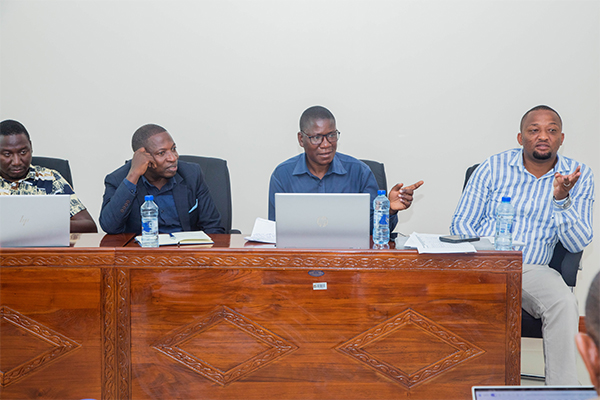
The evidence and experiences shared during the consultation highlighted opportunities to strengthen agroecological cross-border trade in livestock and fisheries across East Africa, while identifying policy, regulatory and market-related barriers that continue to limit the movement and competitiveness of products. The dialogue therefore emphasised the importance of aligning national policies and strategies with regional trade frameworks to create a more enabling environment for farmers, livestock keepers, fishers and other value-chain actors to access and benefit from regional markets.
Discussions also placed sustainable livestock and fisheries production at the centre of market transformation, including the adoption of agroecological practices and strengthening Territorial Markets as important pathways for resilient and inclusive food systems. For SHIWAKUTA, translating research evidence into practical policy and regulatory reforms is essential to ensure that regional trade opportunities generate greater value for producers and local communities.
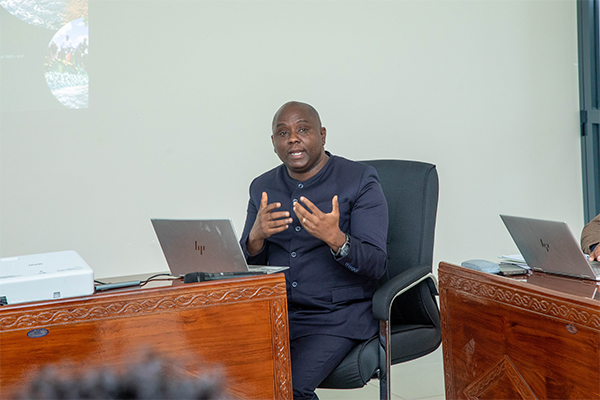

A key issue discussed was the continued movement of livestock across borders through unofficial “panya routes”, which contributes to lost government revenue and limits the availability of accurate data on the scale and value of livestock trade.
Participants noted that limited incentives and benefits for using formal channels may be among the factors driving this practice. The focus, therefore, should not only be on enforcement, but also on understanding the realities facing livestock keepers and traders and making formal trade more accessible, attractive and beneficial.
As a practical way forward, it was proposed that AFSA–SHIWAKUTA collaborate with the Ministry of Livestock and Fisheries and its institutions to undertake participatory research to identify the root causes and develop evidence-based solutions. The goal is to turn informal trade challenges into opportunities for better policy, stronger markets, increased public revenue and greater benefits for livestock keepers and traders.
The consultation drew particular attention to findings from the AFSA–SHIWAKUTA study conducted across Tanzania, Kenya, Uganda, Rwanda and the Democratic Republic of Congo (DRC), which revealed significant untapped potential for livestock and fisheries trade in the region despite relatively low export levels. Officially opened by Mr. Yeremia Sanka, Assistant Director, Ministry of Livestock and Fisheries, the engagement reinforced a clear advocacy message: evidence must inform policy, policy must unlock markets, and regional markets must work for the producers who sustain East Africa’s food systems.