

SHIWAKUTA Convenes National Stakeholders to Address Barriers on Agroecological Trade and Strengthen Territorial Markets.
 Dodoma, Tanzania – 11 September 2026
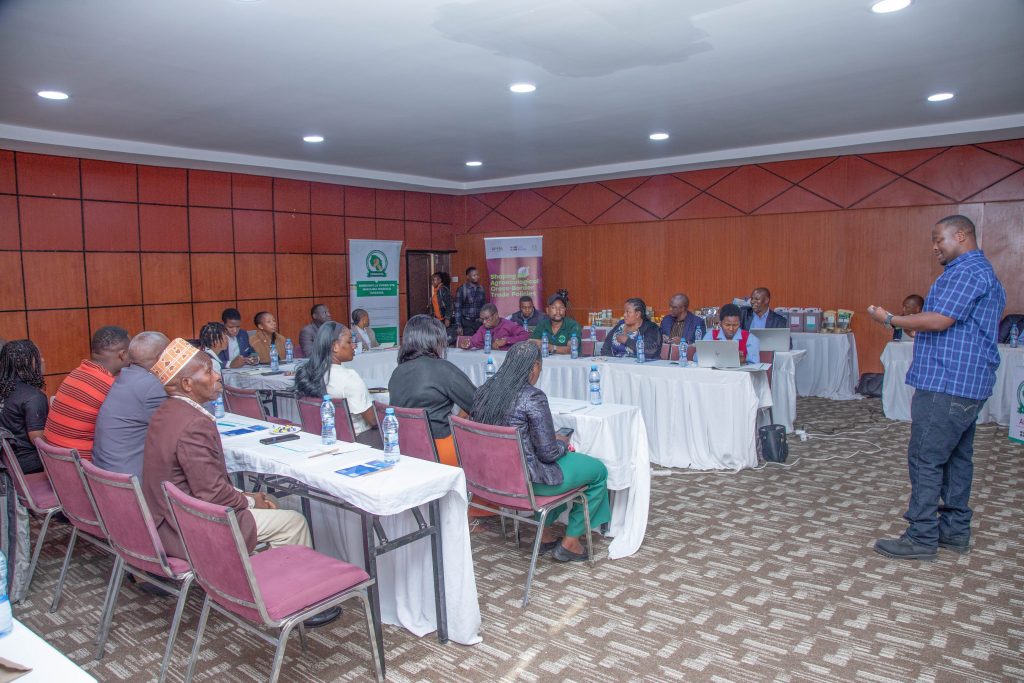
SHIWAKUTA organized a one-day National Stakeholders Convening on Agroecological Entrepreneurship and Territorial Markets (TMs) on 11 September 2026, bringing together key stakeholders from the agriculture sector, government institutions, farmers’ organizations, traders, agroecological processors, civil society organizations, and the private sector.
The convening brought together representatives from various government ministries, including the Ministry of Agriculture, the Ministry of Industry and Trade, and the Ministry of Livestock and Fisheries. Other participating government institutions included the Tanzania Revenue Authority (TRA), the Tanzania Plant Health and Pesticides Authority (TPHPA), and the Tanzania Bureau of Standards (TBS).
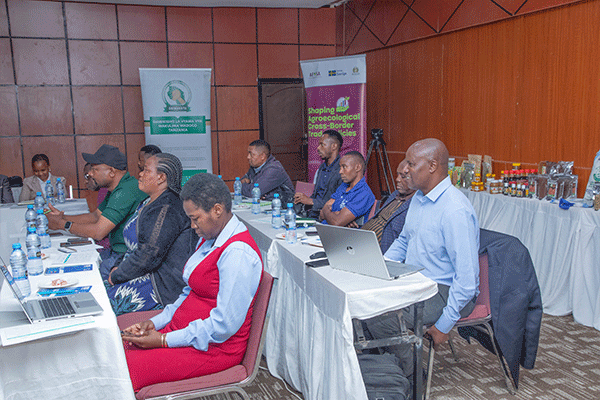
Other key participants included representatives from the East African Community (EAC) Secretariat, the East African Business Council (EABC), the Trade Policy Training Centre in Africa (TRAPCA), farmers’ organizations, territorial market stakeholders, and other actors involved in agroecological trade.
The convening provided a platform for agroecological enterprises to exchange knowledge, share experiences, and discuss challenges affecting the growth and development of agroecological businesses and trade. Discussion, focused on identifying policy and regulatory barriers affecting cross-border trade in agroecological products among East African countries and exploring possible solutions to facilitate trade and strengthen access to regional and international markets.

Research Highlights Policy and Trade Barriers Affecting Agroecological Trade
The convening was preceded by a presentation of research findings on Policy and Trade Barriers Affecting Agroecological Trade. The study was conducted by the Alliance for Food Sovereignty in Africa (AFSA) in collaboration with SHIWAKUTA and presented by Damian Sulumo, Programme Officer at SHIWAKUTA.
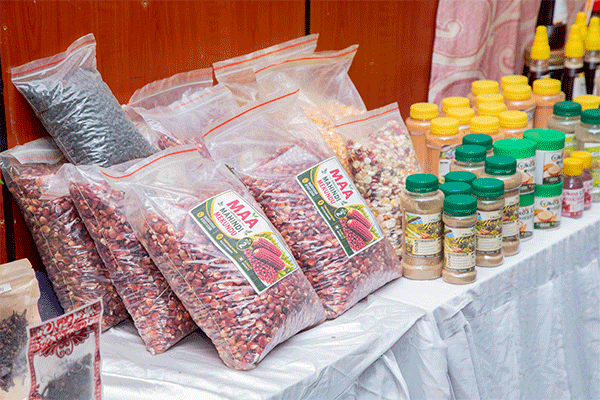
The study covered several East African countries, including Tanzania, Kenya, Uganda, and parts of the Democratic Republic of Congo (DRC). It also examined trade-related challenges at key border points, including Namanga, Rusumo, and Tarakea.
The research findings highlighted several barriers affecting the cross-border movement and trade of agroecological products. These included:
- High costs associated with obtaining Sanitary and Phytosanitary (SPS) certificates.
- Multiple and overlapping permits, licences, and levies imposed on traders.
- Delays in crop inspections and clearance procedures at border points.
Agroecological Entrepreneurs Call for Removal of Unnecessary Trade Barriers
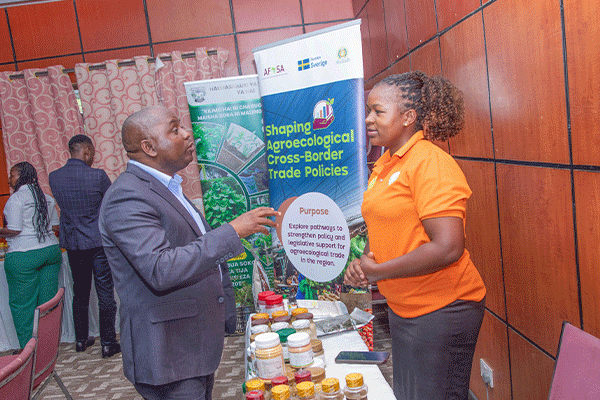
During the discussions, agroecological entrepreneurs, particularly SMEs, shared their experiences regarding the challenges they face when accessing regional markets. Particular concern was raised over the high costs of obtaining SPS certificates, complicated permit requirements, and delays in crop inspections at border points, especially the Namanga border.
Participants noted that these challenges increase the cost of doing business, limit the competitiveness of agroecological enterprises, and make it difficult for small-scale traders to access regional markets.
In response, agroecological entrepreneurs called upon relevant government authorities and regulatory institutions to review existing trade policies and regulatory procedures, reduce unnecessary administrative burdens, and eliminate barriers that hinder the smooth movement of agroecological products across national borders.
Participants also emphasized the importance of strengthening coordination among government institutions, harmonizing trade procedures across East African countries, and creating a more supportive policy and regulatory environment for agroecological enterprises.


Strengthening Regional Trade and Territorial Markets
The discussions underscored the need for stronger collaboration between government institutions, regulatory authorities, farmers, traders, and other private-sector actors to address the challenges affecting agroecological trade.
Stakeholders highlighted the importance of simplifying trade procedures, improving border inspection and clearance processes, and reviewing the costs associated with certification and other regulatory requirements. Such measures would help create a more enabling environment for agroecological SMEs to participate in regional and international markets.

The convening also provided an opportunity for stakeholders to share practical experiences and identify areas for collaboration in promoting agroecological entrepreneurship and strengthening territorial markets across East Africa.
The National Stakeholders Convening on Agroecological Entrepreneurship and Territorial Markets was a continuation of the National Convening on Agroecological SMEs and Territorial Markets held in April 2026 in Dodoma.